LEARN ABOUT THE POLLUTANTS THAT AFFECT PEOPLE
FTALATOS (PHTHALATES): Plasticizing chemicals widely used in personal care products, some plastic toys and food packaging, medical devices, and vinyl (PVC) products such as floor coverings, shower curtains, and walls. The greatest toxicity concern is when women of childbearing age and young children are exposed, human studies have shown negative effects on reproductive development, including feminization of the male genitalia.
MERCURY: a heavy metal that enters the environment through multiple routes - including natural geological sources, coal-fired power plants, cement manufacturing plants, abandoned mines, and consumer products - and can be transformed into methylmercury. Methylmercury is the most common form of mercury that people are exposed to, and it is a powerful neurotoxin that interferes with brain development.
PERFLUORATED CHEMICALS OR PFCs: a group of chemicals used as surfactants and stain protectants. The two PFCS most commonly found in the environment are known as perfluorooctane sulfonate (Perfluorooctane sulfonate, PFOS) and perfluorooctanoic acid (Perfluorooctanoic Acid, PFOA). They have been in use since the 1950s and accumulate and persist in the environment and in animals. The biggest potential health risks are cancer and liver damage.
PORGANOPHOSPHOSPHATED PESTICIDES ( ORGANOPHOSPHORATED PESTICIDES):insecticides commonly used in agriculture and to a lesser extent in urban areas. Toxic effects can include nervous system damage, cancer, and hormonal disorders / disturbances.
Bisfenol A (BISPHENOL A, BPA): a chemical used to make reusable plastic water bottles and baby bottles, liners in metal food cans, and dental sealants. Animal studies have linked BPA to reduced fertility, breast cancer, prostate cancer, and obesity. Scientific studies have shown that even low doses of BPA exposure can have negative health effects.
POLYCHLORINATED BIPHENYLS, PCBs:refrigerants and lubricants historically used in electrical equipment. PCB manufacturing in the United States ended in 1977, after extensive production and use. PCBs bioaccumulate and persist in the food chain and in our bodies and have been found to be related to cancer, impaired immune and reproductive systems, and negative effects on the development of the nervous system. These chemicals were chosen for human study because they are ubiquitous and increasingly recognized as potential threats to our health.
MERCURY: a heavy metal that enters the environment through multiple routes - including natural geological sources, coal-fired power plants, cement manufacturing plants, abandoned mines, and consumer products - and can be transformed into methylmercury. Methylmercury is the most common form of mercury that people are exposed to, and it is a powerful neurotoxin that interferes with brain development.
PERFLUORATED CHEMICALS OR PFCs: a group of chemicals used as surfactants and stain protectants. The two PFCS most commonly found in the environment are known as perfluorooctane sulfonate (Perfluorooctane sulfonate, PFOS) and perfluorooctanoic acid (Perfluorooctanoic Acid, PFOA). They have been in use since the 1950s and accumulate and persist in the environment and in animals. The biggest potential health risks are cancer and liver damage.
PORGANOPHOSPHOSPHATED PESTICIDES ( ORGANOPHOSPHORATED PESTICIDES):insecticides commonly used in agriculture and to a lesser extent in urban areas. Toxic effects can include nervous system damage, cancer, and hormonal disorders / disturbances.
Bisfenol A (BISPHENOL A, BPA): a chemical used to make reusable plastic water bottles and baby bottles, liners in metal food cans, and dental sealants. Animal studies have linked BPA to reduced fertility, breast cancer, prostate cancer, and obesity. Scientific studies have shown that even low doses of BPA exposure can have negative health effects.
POLYCHLORINATED BIPHENYLS, PCBs:refrigerants and lubricants historically used in electrical equipment. PCB manufacturing in the United States ended in 1977, after extensive production and use. PCBs bioaccumulate and persist in the food chain and in our bodies and have been found to be related to cancer, impaired immune and reproductive systems, and negative effects on the development of the nervous system. These chemicals were chosen for human study because they are ubiquitous and increasingly recognized as potential threats to our health.
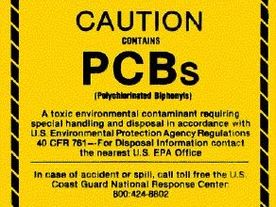
PCBs
ORGANOPHOSPHATE PESTICIDES: common use in agriculture
|
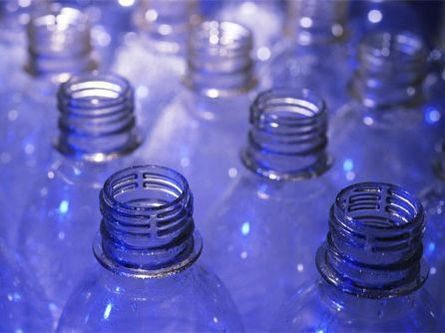
Bisphenol A: can be found in water bottles
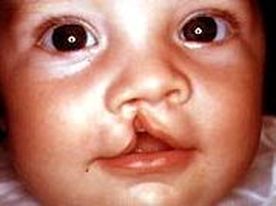
PHTHALATES: may be the cause of cleft lip
|

PFAS CHEMICALS: found in fast food packaging
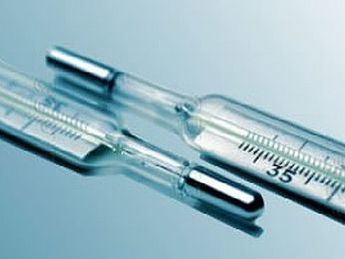
MERCURY
|
