Shrimp Scampi: A Citizens Science Project
The 'Shrimp Scampi: A Citizens Science Project' is part of the global ‘ONE HEALTH Epigenomics Educational Initative (OHEEI)’ initiated by high school students from Massachusetts (MA) to assess the adverse health effects to terrestrial and marine ecosystems (agricultural soil, wetlands, mangroves), animals (wildlife, livestock, pets, seafood) and people, caused by the antimicrobial and herbicide Glyphosate (Roundup) and other endocrine disrupting chemicals (EDCs) like metals Bisphenol A (BPA), phthalates and other chemicals of concern.
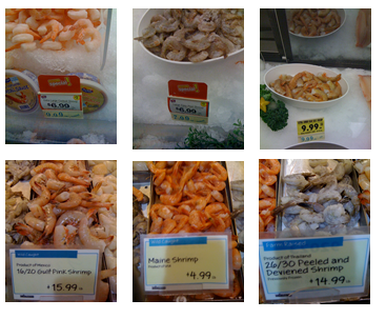
Shrimp is the favorite seafood of Americans. Most of the shrimp we eat is imported, causing a yearly ~US$4.5 billion trade deficit. Although shrimp viruses (WSSV, IHHNV) and metals have been detected in frozen shrimp sold at MA supermarkets, no official compulsory testing of EDCs in both the imported and local seafood (shellfish, salmon, tilapia) is performed.
The goals of the Shrimp Scampi project are to (1) monitor the levels of EDCs and viruses in frozen shrimp sold at US supermarkets, and (2) perform in-depth reviews of the scientific literature on epigenetic mechanisms associated with exposure to EDCs associated with diabetes, obesity, metabolic syndrome, COVID-19, neural tube defects (NTDs) / congenital malformations (microcephaly, anencephaly, others), and antimicrobial resistance.
Epigenetic mechanisms include DNA methylation, histone modifications, and non-coding RNAs.
The goals of the Shrimp Scampi project are to (1) monitor the levels of EDCs and viruses in frozen shrimp sold at US supermarkets, and (2) perform in-depth reviews of the scientific literature on epigenetic mechanisms associated with exposure to EDCs associated with diabetes, obesity, metabolic syndrome, COVID-19, neural tube defects (NTDs) / congenital malformations (microcephaly, anencephaly, others), and antimicrobial resistance.
Epigenetic mechanisms include DNA methylation, histone modifications, and non-coding RNAs.
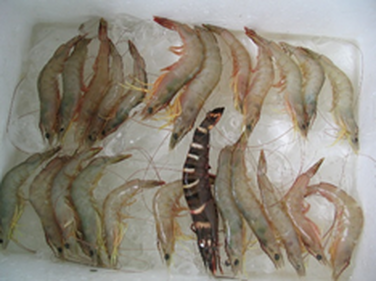
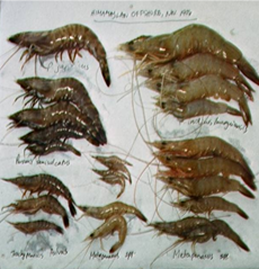
A total of 30 metals are being tested in commodity shrimp by an EPA-approved laboratory. Students are reviewing the effects of Glyphosate (G) alone and in 14 of its formulations in plants and rats, mouse and human cells. Preliminary results indicate that arsenic, chromium, cobalt, lead and nickel are found in the pesticide formulations. Petroleum-based compounds in herbicides were highly more toxic than G. Students are now summarizing the epigenetic changes associated with 15 metals tested before 2017 in shrimp sold at MA supermarkets. All 3 epigenetic mechanisms are associated with exposure to G and BPA, linked to antibiotic resistance (G), obesity, diabetes, cancer (BPA, G) and NTDs (G). Preliminary results on levels of metals and G in shrimp sold at MA and NJ supermarkets will be presented at the 113th National Shellfisheries Association meeting to be held in Charlotte, NC, March 21-26, 2021 (https://www.shellfish.org/annual-meeting).
|
|
|
TEAMStudents from MA, USA and other countries
Advisor: Acacia Alcivar-Warren, DVM, PhD, Environmental Genomics Inc. (EGI) |
CONTACT |
DONAte now |
|
Caroline Acacia Warren
ONE HEALTH Epigenomics Educational Initiative Shrimp Scampi: A Citizens Science Project Environmental Genomics Inc. P.O. Box 196, Southborough, MA 01772-1801 USA phone number 508-344-8106 |
Please contact
Acacia Alcivar-Warren, DMVZ, MS, PhD ONE HEALTH Epigenomics Educational Initiative Environmental Genomics Inc. P.O. Box 196, Southborough, MA 01772-1801 USA [email protected] phone number 508-344-8106 |

|
WHAT YOU EAT COULD BE RELATED TO YOUR IMMUNE RESPONSE AGAINST COVID-19
Visit our blog to find out more. Click on the image
|
